
Ground Prepared for Stable Construction
Dirt Work & Grading in Livingston for properties requiring proper drainage and level building surfaces
CG DirtWorxs LLC handles dirt work and grading in Livingston for residential and commercial properties where water pools near structures, lots slope toward foundations, or uneven terrain prevents construction from starting. The work involves moving soil from high points to low areas, adjusting elevations to direct water away from buildings, and compacting fill to create stable surfaces. East Texas clay soils expand and contract with moisture changes, which makes proper grading essential before any structure goes up or hardscaping gets installed.
Grading establishes the slope and elevation across your property so rainwater flows toward drainage points instead of collecting against foundations or in low pockets. Soil gets stripped from areas that sit too high, relocated to sections that need filling, then compacted in lifts to prevent future settling. The final grade ensures your lot drains correctly and provides a stable base for concrete, gravel, or structures.
Schedule a property evaluation to identify current drainage issues and required elevation changes.
What Proper Grading Requires
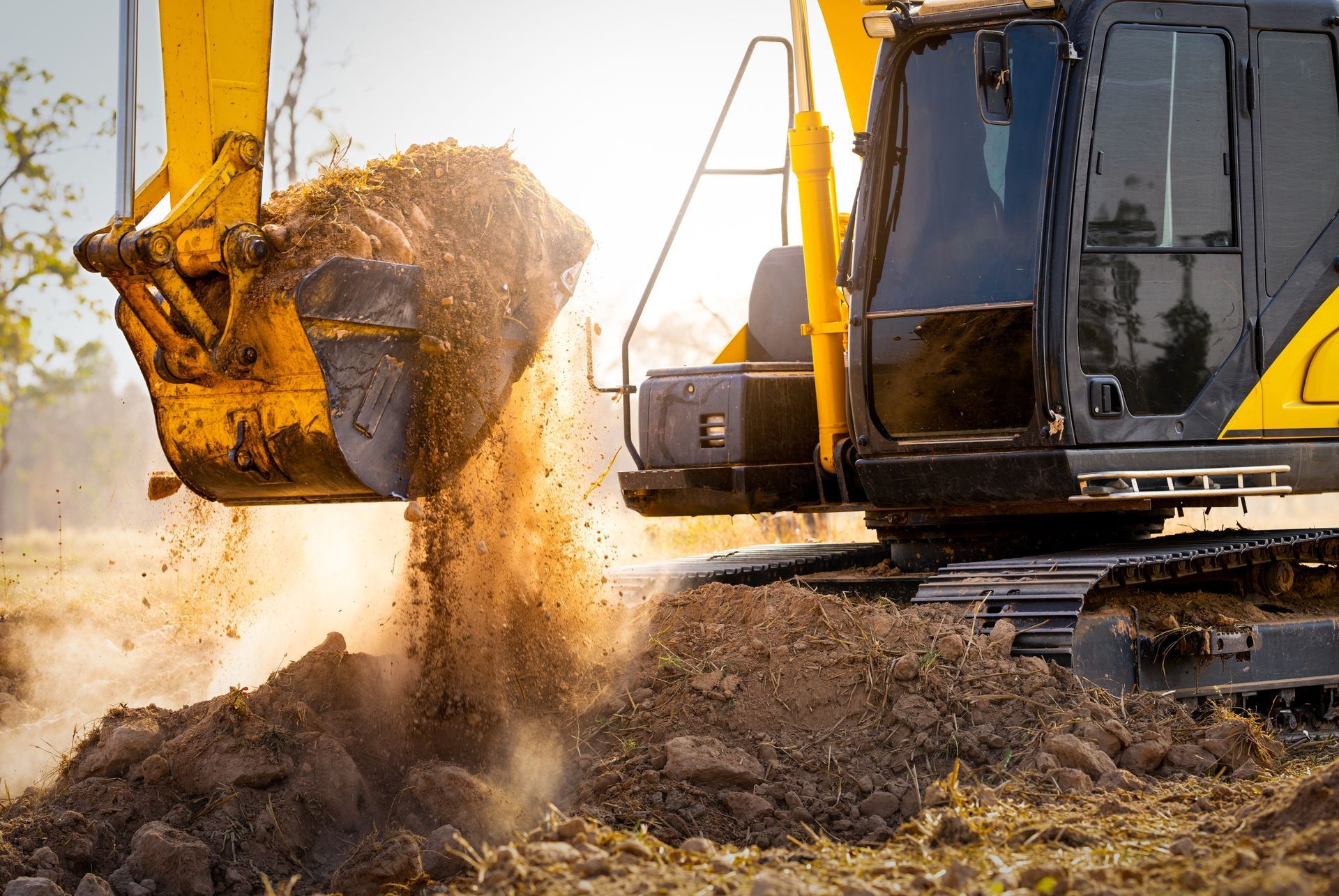
The process starts with assessing existing elevations and identifying where water currently flows during heavy rain. Equipment operators strip topsoil and set it aside if you plan to landscape later, then cut into high areas and redistribute that material to build up low sections. Each layer of fill gets compacted with the weight of machinery before the next layer goes down, which prevents voids that would cause settling months after the work finishes.
Once grading is complete, you see a property surface that slopes consistently away from structures, with no depressions where water can collect. Runoff moves predictably toward edges or designated drainage features, and the ground feels firm underfoot rather than soft or spongy. CG DirtWorxs LLC delivers a finished grade that eliminates standing water and provides stable soil for the next phase of your project.
The service does not include underground drainage installation or landscaping placement, though proper grading often reveals where additional drainage work would further improve water management. Properties with severe slopes or significant elevation differences may require retaining structures, which get planned separately from the grading itself.
Questions Before Starting Your Project
Property owners in Livingston typically want to understand timing, site conditions, and what changes they will observe once the work wraps up.
What happens to topsoil during grading?
Topsoil gets stripped and stockpiled on-site if you plan to reuse it for landscaping later, which preserves the nutrient-rich layer that supports plant growth once hardscaping and structures are in place.
How does grading address drainage problems?
The process adjusts elevations so gravity moves water away from structures and toward designated runoff areas, eliminating low spots where water previously pooled after storms.
When should grading happen in the construction timeline?
Grading occurs after clearing and before any foundation work or paving begins, since stable and properly sloped ground must exist before concrete gets poured or utilities get installed.
Why does compaction matter for fill areas?
Uncompacted fill settles over time and creates low spots or cracks in driveways and foundations, so each lift of soil gets compressed with equipment weight to match the density of undisturbed ground.
What site access does the equipment require?
Grading machinery needs clear pathways wide enough for tracked loaders and graders to maneuver across the lot, along with space to stockpile soil that gets moved during the process.
CG DirtWorxs LLC works with property owners throughout East Texas to prepare sites for construction and resolve drainage concerns caused by improper slope. Contact us to arrange an on-site consultation and review your lot's current elevation conditions.