
Fields Cleared for Grazing and Access
Pasture Mowing in Livingston for overgrown fields, brush encroachment, and properties requiring vegetation management
Pastures grow dense with tall grass, saplings, and woody brush when left unmanaged, blocking livestock access and creating habitat for pests. CG DirtWorxs LLC provides pasture mowing in Livingston for property owners dealing with vegetation that standard lawn mowers cannot handle. The service cuts through waist-high grass, small brush, and volunteer growth that takes over fields during wet seasons. East Texas humidity and rainfall support rapid regrowth, so mowing schedules often depend on how quickly vegetation returns after initial clearing.
Mowing involves driving rotary cutters or brush hogs across the field to cut vegetation down to a height that allows livestock movement and reduces fire risk. The equipment handles thick stems and woody growth that would jam residential mowers, and it mulches cut material into smaller pieces that decompose faster than leaving full stalks on the ground.
Arrange an on-site review to assess field size, vegetation density, and access points for mowing equipment.
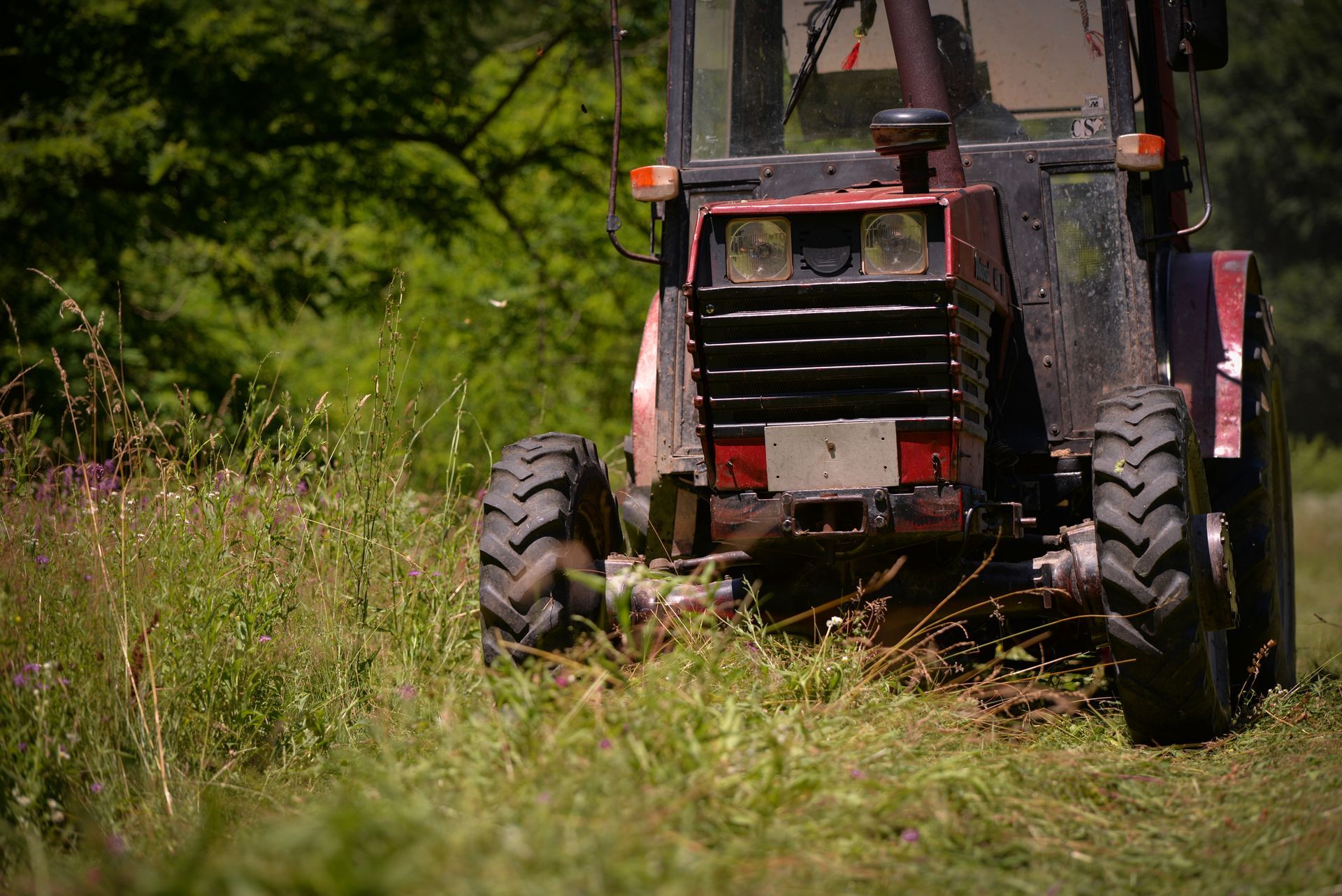
How Mowing Addresses Overgrowth and Encroachment
The process starts by walking the property to identify obstacles like stumps, rocks, or low fences that could damage mowing equipment. Brush hogs cut through tall grass and saplings up to several inches in diameter, leaving the field at a consistent height. If the pasture includes sections with heavier brush or small trees, those areas receive additional passes or require forestry mulching for full clearing.
After mowing, the field shows an even, shortened surface with cut vegetation spread across the ground to decompose. Livestock can move through areas that were previously blocked by dense growth, and the reduced vegetation height lowers the risk of ticks and other pests that thrive in tall grass. The pasture looks actively managed rather than abandoned, and the shortened growth reduces the likelihood of wildfire spread during dry months.
Mowing does not remove roots or prevent regrowth—it controls height and density temporarily. Properties with persistent woody brush may need follow-up mowing or chemical treatment to stop saplings from returning. Mowing frequency depends on rainfall, soil fertility, and how quickly vegetation rebounds after cutting..
Answers to Frequent Service Questions
Property owners managing large acreage or overgrown fields often ask about equipment capabilities, timing, and what mowing actually removes versus what returns.
What size vegetation can pasture mowing equipment handle?
Brush hogs and rotary cutters handle grass, weeds, and saplings up to three or four inches in diameter, depending on the machine, but larger trees or established woody growth require forestry mulching or manual removal.
How often should overgrown pastures be mowed?
Most properties in Livingston benefit from mowing once or twice per growing season to control height and prevent woody brush from becoming established, though frequency increases if the field supports rapid regrowth.
What happens to the cut vegetation after mowing?
Cut material stays on the field and decomposes naturally, adding organic matter back to the soil rather than requiring collection or removal.
Can mowing prevent brush from returning?
Mowing controls height and reduces seed spread, but it does not kill roots, so brush and saplings will regrow unless treated chemically or removed through land clearing methods.
When is the best time to mow overgrown fields in East Texas?
Late spring through early fall offers the driest conditions for mowing without equipment getting stuck, though timing depends on recent rainfall and soil moisture levels.
CG DirtWorxs LLC mows pastures and large properties where vegetation has outgrown what standard equipment can manage. Contact the business to schedule field mowing based on your property's current growth and access conditions.